

- 04 Sep, 2026
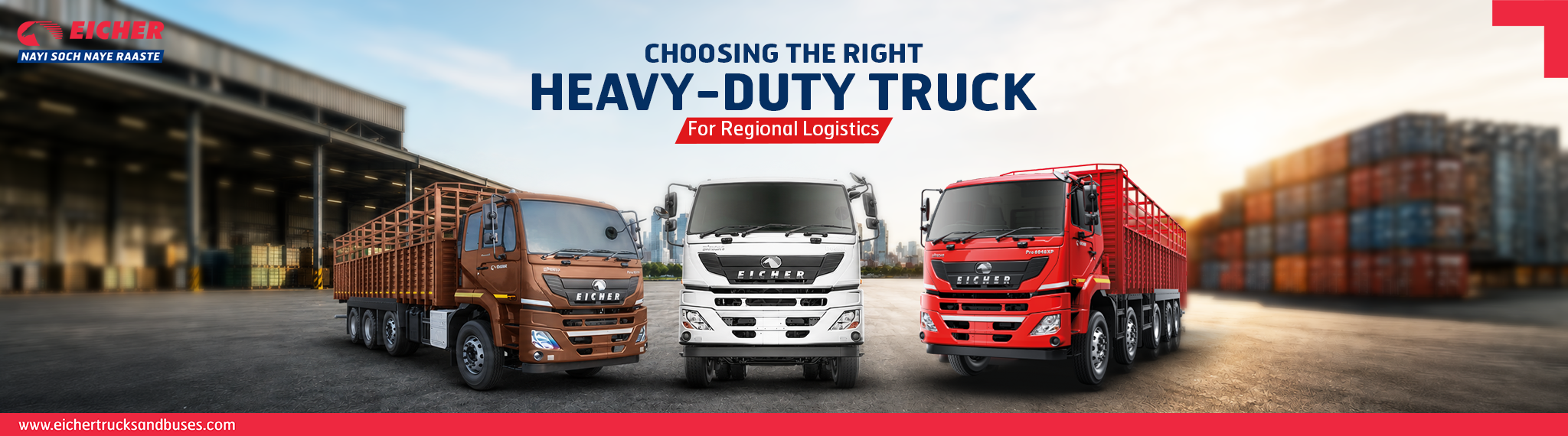
Choosing The Right Heavy-Duty Truck For Regional Logistics
Table of Contents
If your fleet regularly moves goods between cities, industrial hubs and distribution centres, you know no two trips are exactly the same. One route may involve transporting packaged consumer goods along highways, while the next carries industrial materials to manufacturing clusters. Choosing the right heavy truck is therefore less about finding the highest carrying capacity and more about selecting a vehicle that matches the type of freight your business handles.
As different heavy-duty truck categories are built for different applications, understanding where each category fits can help fleet operators choose the right vehicle for their operations and support their business as it grows.
How to choose the right truck category for regional freight
In regional freight, cargo volumes and operating conditions can vary significantly; a single vehicle category rarely suits every application.
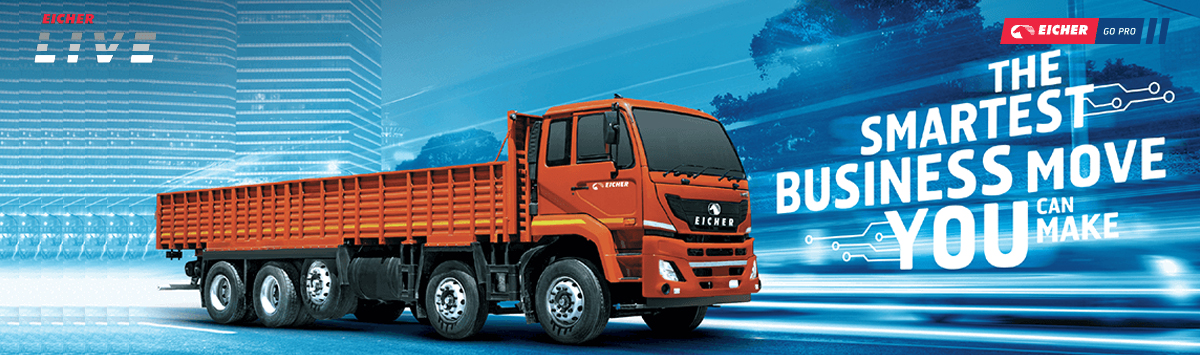
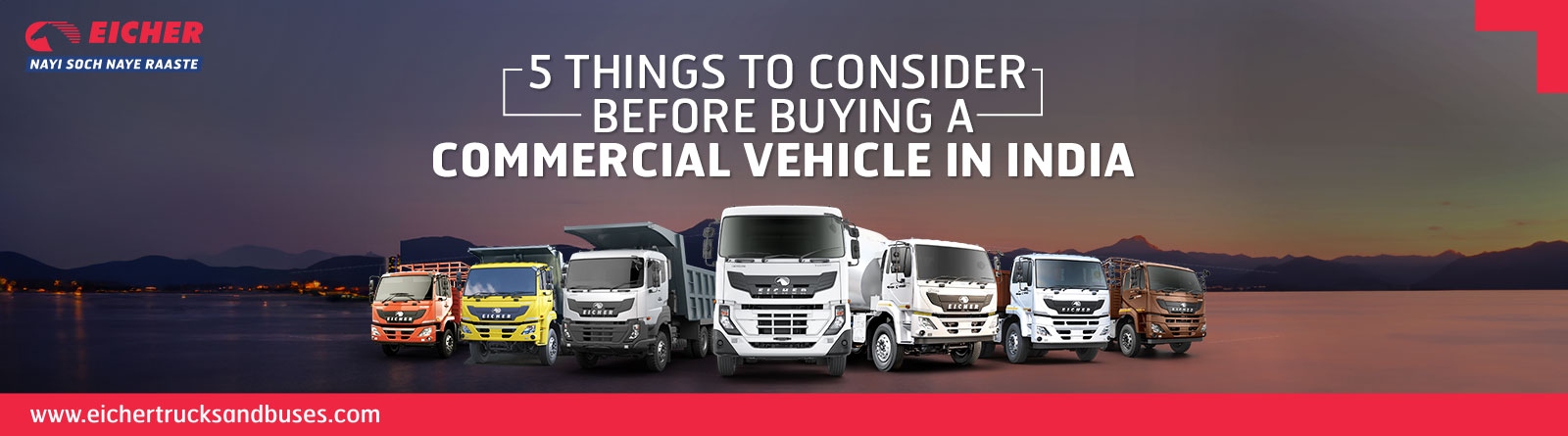
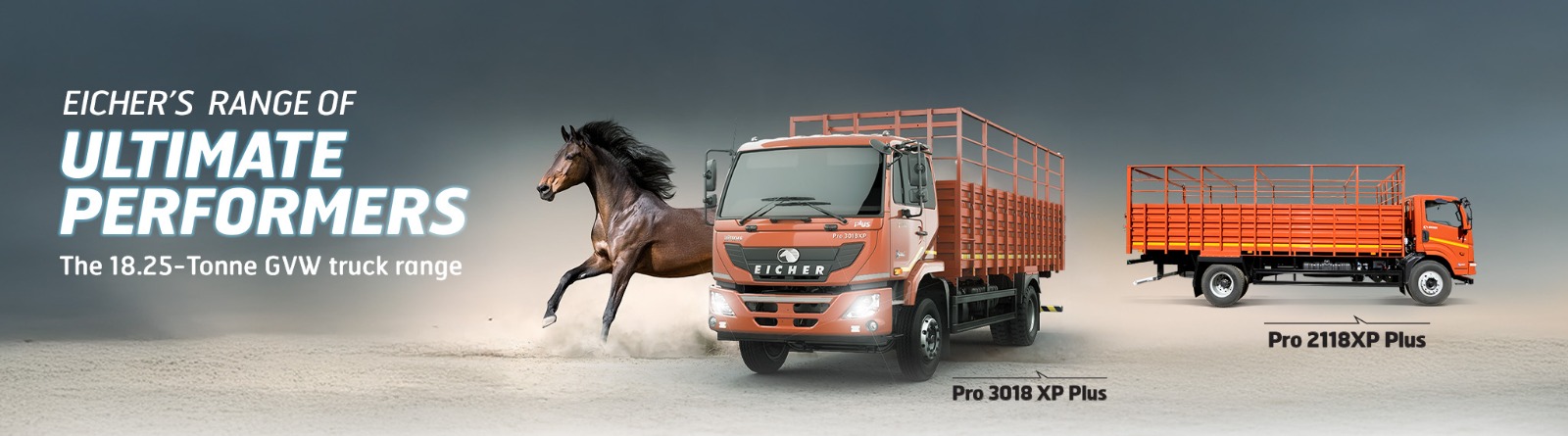
Eicher's haulage range spans multiple GVW categories, giving fleet operators the flexibility to choose vehicles based on their freight requirements, payload and operating routes.
| GVW Category | Typical Regional Applications | Representative Eicher Model |
|---|---|---|
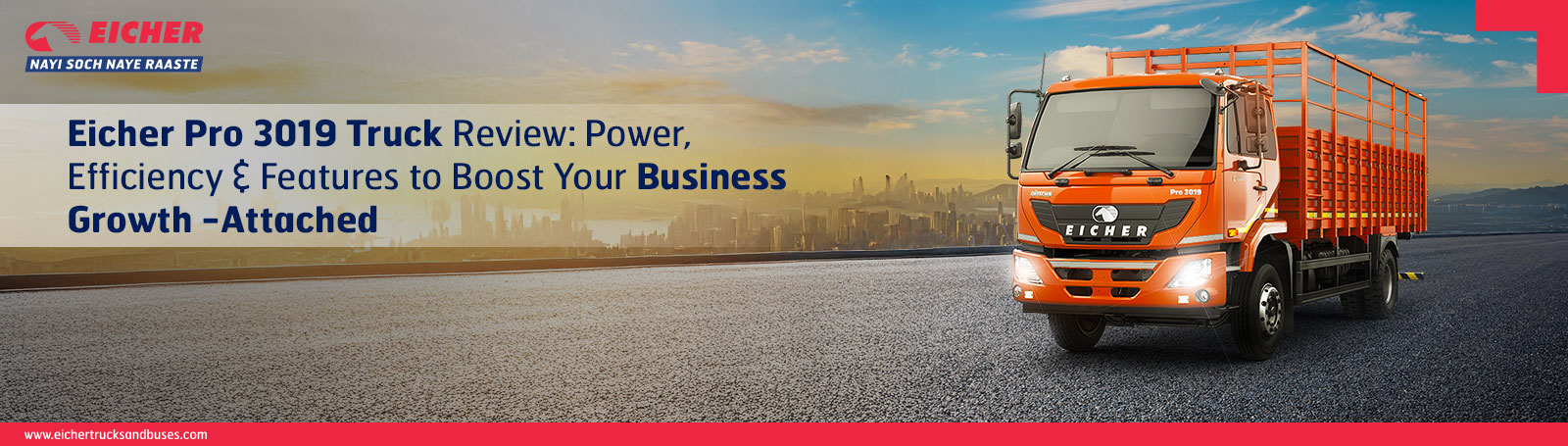
| 18–25 ton | FMCG, parcel movement, retail distribution, auto components | Eicher Pro 3019 / Pro 6019 / Pro 2119 |
| 26–37 ton | Industrial freight, agricultural produce, building materials | Eicher Pro 6035 / Pro 6028 |
| 38–55 ton | Bulk commodities, infrastructure supplies and high-capacity regional haulage | Eicher Pro 6042 / Pro 6048XP / Pro 6041 |
Businesses searching for a lower capacity haulage vehicle may opt for Eicher’s 20-ton trucks by exploring models within the 18–25 ton haulage category for a well-rounded fleet build. Meanwhile, operators transporting larger consignments may find heavy load trucks in the higher GVW categories that go up to 55 tons better suited to their operations.
Rather than viewing payload capacity alone, choosing the appropriate category depends on the freight profile, delivery frequency and regional routes your fleet serves.
How to choose the right truck for your application
Choosing the right GVW category is an important first step, but it's equally important to select a truck that's built for the type of work it will perform. While both regional haulage vehicles and construction trucks fall under the heavy-duty segment, they are designed for very different operating environments.
Regional haulage trucks spend most of their time on paved roads, transporting goods between factories, warehouses, distribution centres and commercial hubs. They are designed to support efficient freight movement, driver comfort and reliable performance during long hours on the road.
Construction trucks, on the other hand, are built for demanding job sites where uneven terrain, steep gradients and off-road conditions are common. Their chassis, suspension and driveline are designed to handle these conditions rather than long-distance highway freight movement.
Understanding these differences can help fleet operators choose the right heavy truck for their business instead of using a vehicle designed for a different type of application.
How to build a fleet that supports regional growth
As businesses expand into new markets, add distribution centres or diversify the goods they transport, their fleet requirements are likely to change as well. Instead of relying on a single vehicle model, operators may benefit from using trucks across multiple GVW categories to support different freight requirements.
While carrying capacity is an important consideration, it's also worth evaluating factors such as service coverage, vehicle uptime, body configurations and connected fleet management solutions. Depending on the operation, a well-planned fleet may include medium-capacity vehicles for frequent deliveries alongside a heavy load truck for moving larger consignments between major logistics hubs.
Planning your fleet with both current and future transport needs in mind can help improve vehicle utilisation while giving your business the flexibility to adapt as operations evolve.
Conclusion
Choosing the right heavy truck starts with understanding the type of freight you transport and the conditions in which your vehicles operate. From selecting the appropriate GVW category to matching the truck to its intended application, each decision plays a role in improving the efficiency of your regional logistics operations.
Our website lists a range of models across different GVW categories for you to compare and find the configuration that best fits your freight and operational requirements. Explore our entry-level heavy-duty haulage category and reach out to us to request Eicher's 18-55 ton truck price.
1.jpg)
1.jpg)





.jpg)






.jpg)