

- 18 Sep, 2026
Using Connected Data To Improve Visibility Across Tipper Fleets
Table of Contents
Introduction
Running a fleet of tipper trucks often means managing vehicles across multiple locations at once. One truck may be transporting aggregates between a quarry and a batching plant, while another is supporting road construction or infrastructure work several kilometres away. By the end of the day, knowing where every vehicle has been, how efficiently it has operated and whether it was fully utilised isn't always straightforward.
This is where connected vehicle technology is becoming part of everyday fleet management. Rather than replacing operational experience, telematics provides data that helps fleet operators understand how their tipper trucks are performing across different jobs and make more informed planning decisions.
Why visibility matters in tipper truck operations
Unlike long-haul transport, tipper truck operations are rarely identical from one day to the next. Routes can change depending on project requirements, loading points move as sites evolve, and vehicles may complete several short trips instead of one long journey.
Without reliable operational visibility, it's difficult to answer questions such as:
- Which trucks completed the most productive trips today?
- Are some vehicles spending too much time idle at loading or unloading points?
- Which sites are consuming more fuel than expected?
- Are vehicles being deployed evenly across projects?
These are operational questions rather than maintenance issues, but answering them consistently can help fleet managers improve planning and resource allocation over time.
The operational insights fleet managers rely on
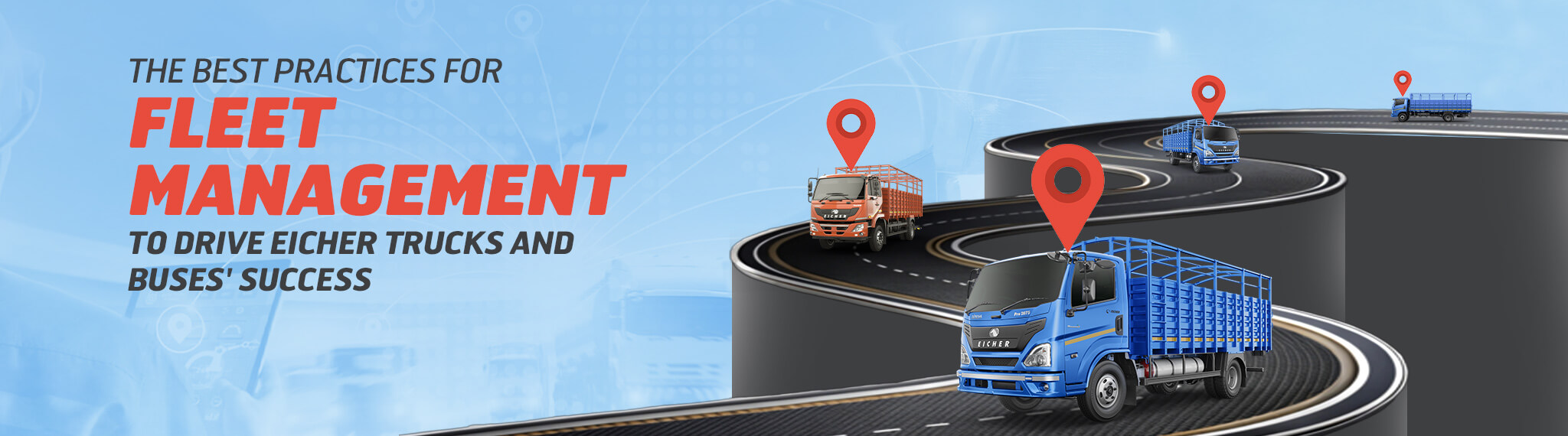
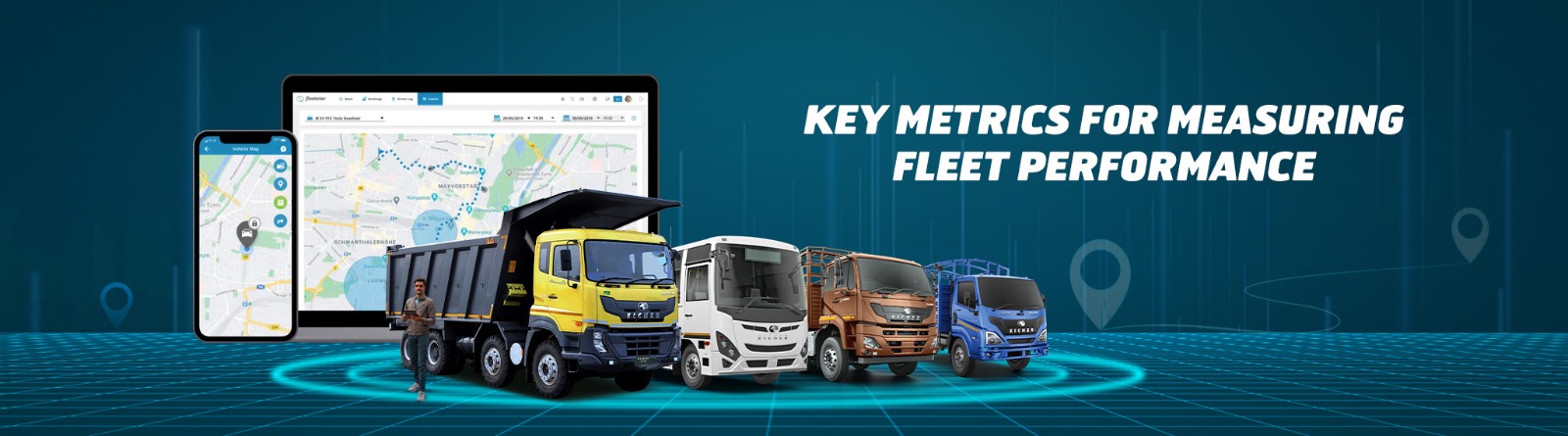
Modern telematics platforms bring together information from connected vehicles into a single interface, making it easier to understand how a fleet is operating throughout the day.
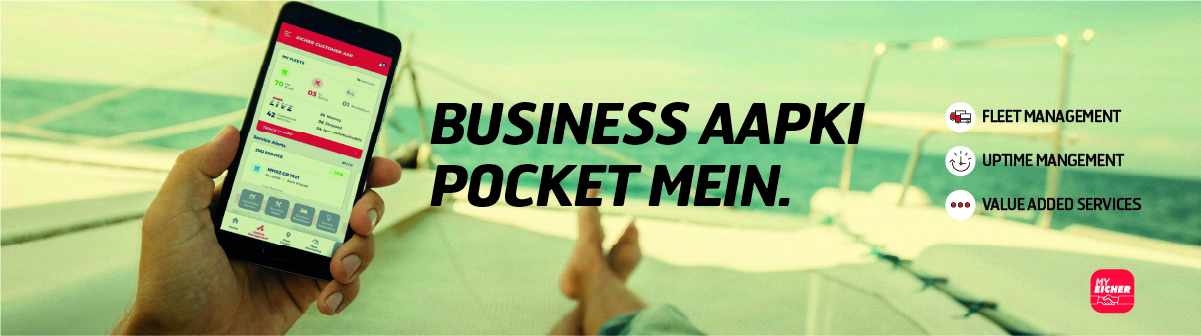
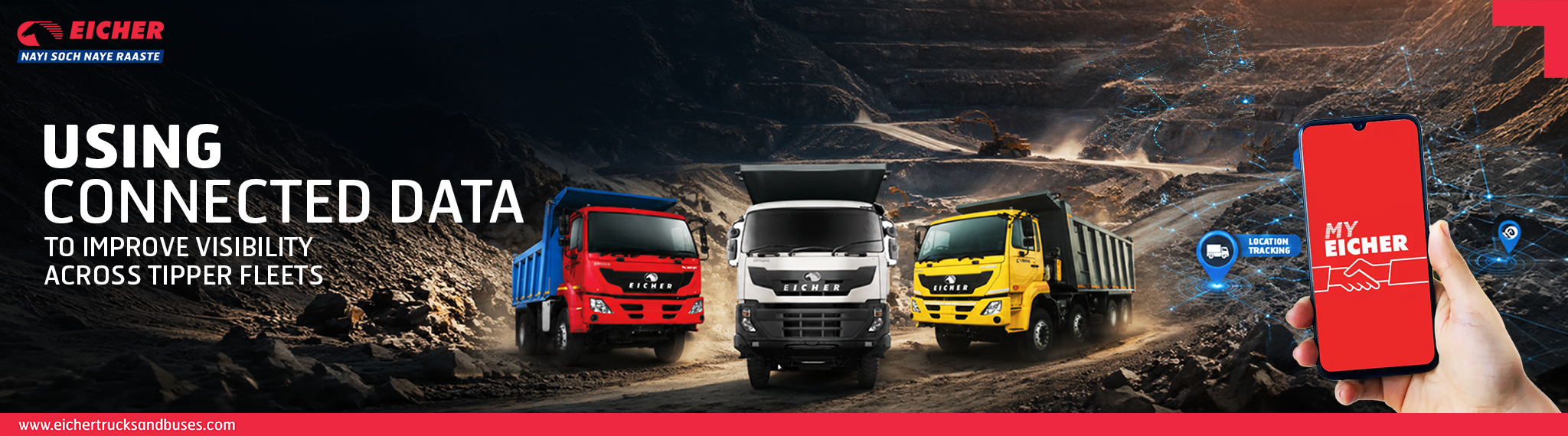
For example, across applicable Eicher heavy-duty tipper models, My Eicher can bring connected vehicle information into a single platform, helping operators monitor areas such as:
- Fuel and DEF utilisation: Helps identify consumption patterns across vehicles and operating periods.
- Fuel refilling and draining events: Provides a record of fuel-related activity that may require review.
- Actionable vehicle insights: Helps managers understand asset utilisation and broader operating patterns.
- Maintenance and predictive uptime alerts: Highlights information that may require timely service attention.
- Service registration and repair progress: Allows authorised service activity to be followed through the platform.
Looking at these insights together provides context that individual trip sheets or driver updates often cannot. Therefore, the final tipper truck price and operational costs depend on factors such as GVW, axle configuration, load-body specification, optional equipment, location and applicable registration charges. A new tipper truck price should therefore be checked for the exact vehicle configuration rather than treated as one standard figure across the range.
For example, many lean business setups are in the market for an entry-level tipper where an Eicher 6-wheeler tipper truck price will relate to a different category and operating requirement from a higher-GVW model.
Turning fleet data into better decisions
The value of telematics is not simply collecting more data—it's helping operators make better day-to-day decisions.
For tipper trucks working across construction, infrastructure and material transportation projects, connected information can support decisions such as balancing vehicle deployment between sites, identifying underutilised assets and understanding how operating conditions affect fleet productivity.
Over time, these insights help build a clearer picture of how vehicles are being used, allowing operational decisions to be based on observed, data-based patterns instead of assumptions.
Where connected tipper trucks fit into modern fleets
As digital fleet management becomes more common, connected technology is increasingly being considered alongside payload, application suitability, and operating requirements when evaluating tipper trucks.
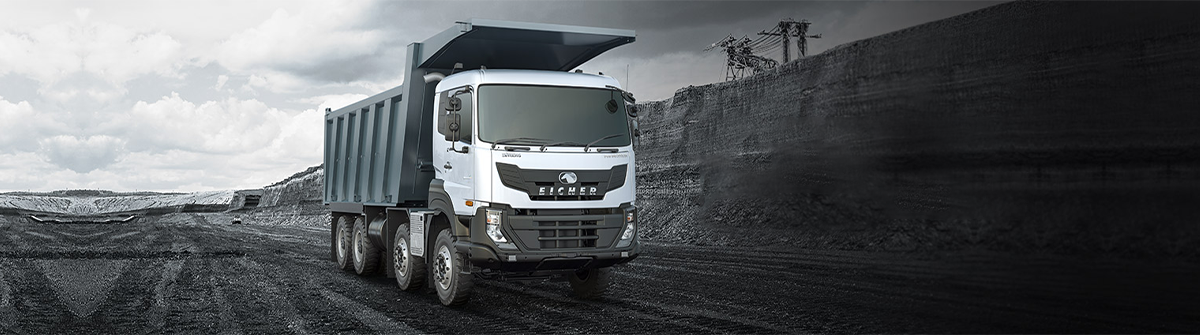
An Eicher tipper, designed for applications such as construction, infrastructure development, quarrying and bulk material transportation, can be equipped with connected capabilities through the My Eicher platform on applicable models. By bringing vehicle information into one place, fleet operators can gain better visibility into daily operations while continuing to manage projects using the processes they already know.
How Eicher is bridging the gap
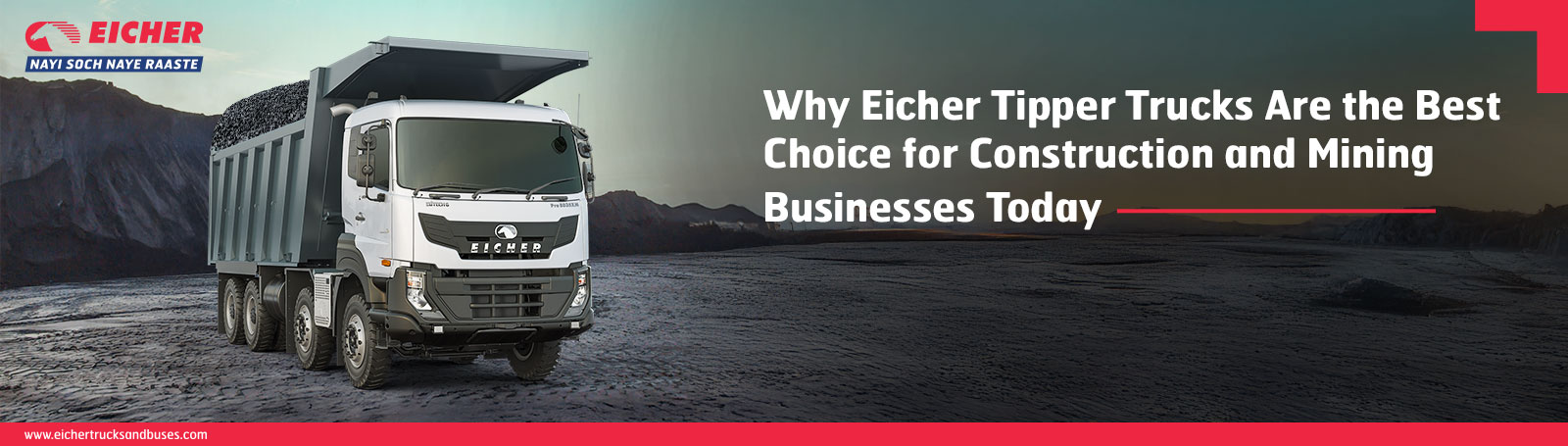
Eicher offers a wide range of heavy-duty tippers designed to meet different operating requirements across construction, infrastructure, quarrying and material transportation. The portfolio includes models across multiple GVW categories, giving fleet operators the flexibility to select a vehicle based on payload requirements, application and operating conditions.
At the entry end of the heavy-duty tipper range, the Eicher Pro 6019XPT has an 18.5-tonne GVW, with 179 kW of power and 900 Nm of torque.
For higher-GVW applications, the Eicher Pro 6028T offers a 28-tonne GVW, 194 kW of power and 1,000 Nm of torque. The Pro 6028XPT also carries a 28-tonne GVW, with 224 kW of power and 1,200 Nm of torque, providing another configuration within this GVW category.
Moving into the 35-tonne segment, Eicher offers models including the Pro 6035T, Pro 6035T HRT and Pro 6035XPT, with different specifications and configurations suited to demanding applications. The Pro 6035T, for example, has a 35,000 kg GVW, while the Pro 6035XPT is offered with 224 kW of power and 1,200 Nm of torque.
This breadth of options allows fleet operators to consider connected technology alongside the more fundamental factors of GVW, application, body configuration and operating conditions. Across applicable models, My Eicher provides connected vehicle information that can help fleet owners and managers gain visibility into vehicle performance and operations.
Conclusion
Managing tipper trucks efficiently is about more than knowing where they are; it's about understanding how they're being used across different jobs and projects. Technology alone doesn't improve fleet performance, but timely operational information can help businesses make more informed decisions as projects and fleet requirements evolve.
To learn more about tipper trucks and the connected features available on applicable Eicher tipper models, speak with your nearest authorised Eicher dealer or explore the My Eicher platform.
1.jpg)
1.jpg)







.jpg)









.jpg)